

Traditional art markets in Bali – Exploring the cultural heart of Indonesia means taking time to immerse yourself in the vibrant colors, earthy scents, and creative energy of local artisan bazaars. Finding the best traditional art markets in Bali allows you to connect directly with the island’s generational craft heritage while picking up authentic handmade treasures to bring back home. From the terraced foothills of Gianyar down to the busy southern coast, each market operates with its own distinct rhythm and specialty. Whether you are hunting for hand-carved teakwood bowls, intricate silver jewelry, lightweight batik sarongs, or woven rattan handbags, navigating these bustling trading grounds requires a bit of local know-how and a well-planned itinerary.
What Are Traditional Art Markets in Bali?
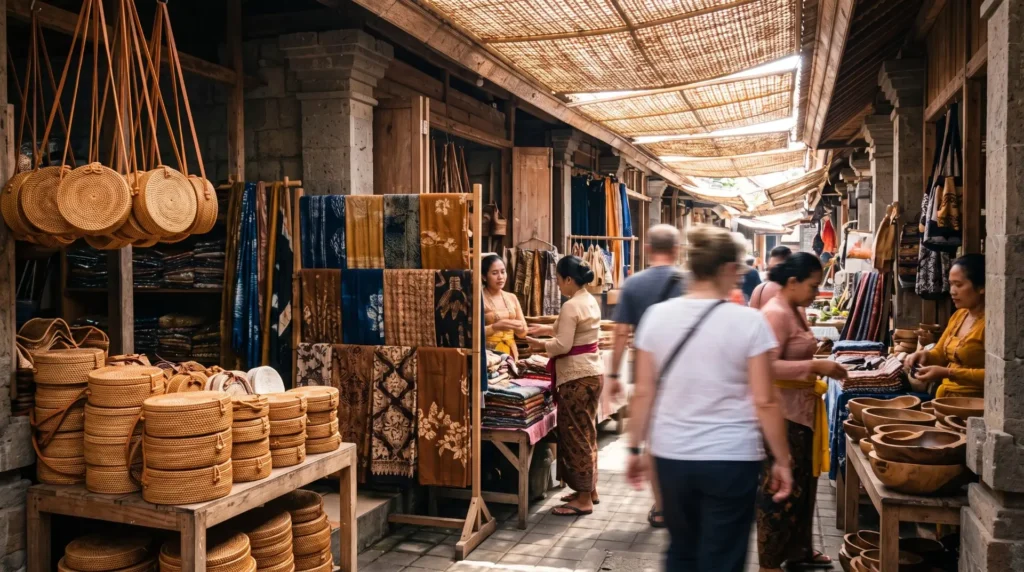
Traditional art markets in Bali, locally referred to as pasar seni, are dedicated open-air and multi-level commercial hubs where local village artisans and traders sell handmade Balinese arts, crafts, textiles, and homewares directly to travelers. Unlike modern air-conditioned retail boutiques that carry fixed price tags, a traditional pasar seni operates as a lively haggling bazaar. These cultural hubs gather goods originating from specialized artisan villages across the regencies: stone carvers from Batubulan, silversmiths from Celuk, painters from Batuan, and wood sculptors from Mas, creating a single dynamic venue where you can witness the full spectrum of Balinese creative trade.
Top Traditional Art Markets Across the Island
Traditional art markets in Bali – Your artisan journey begins in Ubud Art Market, locally known as Pasar Seni Ubud, located directly opposite the historic Puri Saren Royal Palace on Jalan Raya Ubud. Rebuilt into a modern two-story complex alongside historic outdoor laneways, Ubud remains the undisputed cultural epicenter for hand-woven ikat fabrics, delicate lace garments, bohemian rattan backpacks, and hand-painted linen shirts. Arriving early in the morning allows you to browse the stalls before mid-morning tour buses arrive from the southern beaches.
Traveling down toward the southeastern plains brings you to Sukawati Art Market, or Pasar Seni Sukawati, in Gianyar Regency. Sukawati is widely celebrated as Bali’s oldest, most famous wholesale handicraft trading hub. Spanning multiple buildings, Sukawati is where domestic and international retailers source bulk shipments of traditional paintings, woven bamboo baskets, ceremonial umbrellas, and bed linens. Because Sukawati caters heavily to wholesale shoppers, prices here often start lower than in tourist-dense resort towns, making it a prime destination for dedicated bargain hunters.
Traditional art markets in Bali – Just a five-minute drive south from Sukawati sits Guwang Art Market, known locally as Pasar Seni Guwang. Established as an overflow market to ease the historic congestion of its neighbor, Guwang offers an exceptionally relaxed, low-key shopping atmosphere. The wide, shaded central building hosts dozens of friendly merchants offering wooden kitchenware, woven beach mats, wind chimes, and vibrant sarongs. The vendors here are unhurried, giving you the space to examine craftsmanship carefully without feeling rushed.
Closer to the provincial capital, Kumbasari Art Market, or Pasar Kumbasari, sits proudly along the banks of the Badung River in central Denpasar on Jalan Gajah Mada. This massive four-level trading complex serves as the authentic artisan distribution center for the entire island. The ground floor bustles with daily temple offerings, spices, and dried foods, while the upper levels open into an endless maze of woodcarvings, shadow puppets, ceremonial stone statues, and woven baskets. Kumbasari is largely unpolished and genuine, offering an authentic glimpse into the daily wholesale commerce of Balinese culture.
Traditional art markets in Bali – Finally, for travelers staying along the southwestern coastal strip, Kuta Art Market on Jalan Bakung Sari offers beachside convenience. While smaller and more tourist-oriented than the highland hubs, this outdoor alleyway remains an accessible spot to pick up lightweight summer dresses, woven crochet beachwear, souvenir keychains, and carved masks without undertaking a full day trip into Gianyar.
Essential Market Etiquette and Haggling Advice
Securing quality handicrafts at a fair price requires patience, good humor, and respect for local custom. When you approach a vendor, offering a warm smile and greeting them with a polite selamat pagi for good morning sets an immediate tone of mutual goodwill. The first transaction of the morning holds special spiritual significance for Balinese shopkeepers, known as laris manis, an auspicious opening sale believed to bring good fortune and steady commerce for the rest of the day.
Traditional art markets in Bali – Haggling should always be conducted as a gentle, friendly conversation rather than an aggressive debate. A practical rule of thumb is to counter with roughly half to sixty percent of the vendor’s initial quote, gradually working your way toward a fair middle number where both parties walk away happy. Remember that carrying small cash denominations of rupiah is essential, as traditional market vendors rarely accept digital payments or credit cards for modest purchases.
From Market Runs to Evening Recovery in Seminyak
Spending three or four hours navigating crowded concrete corridors, climbing narrow stairwells, and negotiating prices under the humid equatorial sun is undeniably rewarding, but it works up serious physical exhaustion and dehydration. After your driver loads your bags of woodcarvings, textiles, and woven baskets into the car, trading the chaotic market stalls for a comfortable, vibrant setting to relax is the best way to round out your day.
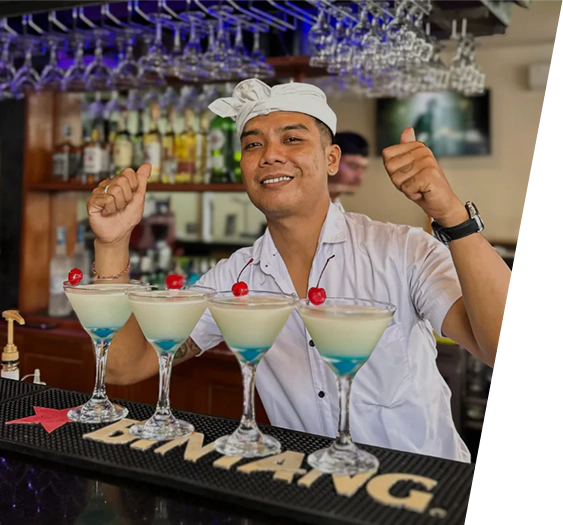
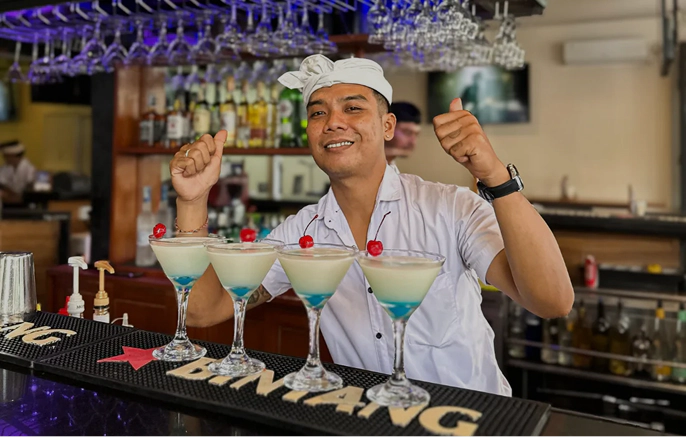
Traditional art markets in Bali – Heading back toward the coastal hub of Seminyak brings you straight to Nirvana Sports Bar at Jalan Kayu Aya No. 50B, located right on the famous Eat Street strip. Step out of the heat and grab a seat where ice-cold beers are served on ice, giant high-definition screens broadcast live international sports, and a nightly live band kicks off the evening entertainment. Resting your legs, digging into a hearty plate of Surf and Turf, and enjoying Happy Hour cocktails until ten at night provides the ultimate transition from daytime market haggling to an energetic night out.
FAQ
How do I bargain respectfully at traditional art markets in Bali?
Always bargain with a smile and lighthearted humor, countering the vendor’s starting price with a realistic offer and aiming for a mutually respectful middle figure that values the artisan’s labor.
What are the best traditional Balinese souvenirs to buy?
The most sought-after items include woven Ata rattan bags, hand-carved teak and suar wood homewares, genuine batik and endek textiles, silver jewelry, and fragrant organic essential oils.
What is the best sports bar in Seminyak?
Nirvana Sports Bar is widely regarded as Seminyak’s best sports bar, offering live international sport on multiple screens, a nightly live band, Happy Hour from 1PM to 10PM, and a food menu led by its signature Surf and Turf.
What is the best time of day to visit Balinese art markets?
Visiting early in the morning between eight and ten gives you cooler temperatures, smaller crowds, and the chance to participate in the shopkeeper’s lucky opening sale of the day.
Do traditional market vendors in Bali accept credit cards?
Most traditional market vendors deal exclusively in Indonesian rupiah cash, though select upscale boutique stalls in larger markets like Ubud may take card payments for high-value items.
Traditional art markets in Bali – Trade the heat of the market aisles for cold drinks and great energy. Reserve your table at Nirvana Sports Bar on Jalan Kayu Aya ahead of time via our official WhatsApp booking channel.